Understand Massachusetts
Understand Massachusetts
Background reading for the state behind the itinerary — Massachusetts in four acts, from the colonial coast to revolution, industry, and the literary interior.
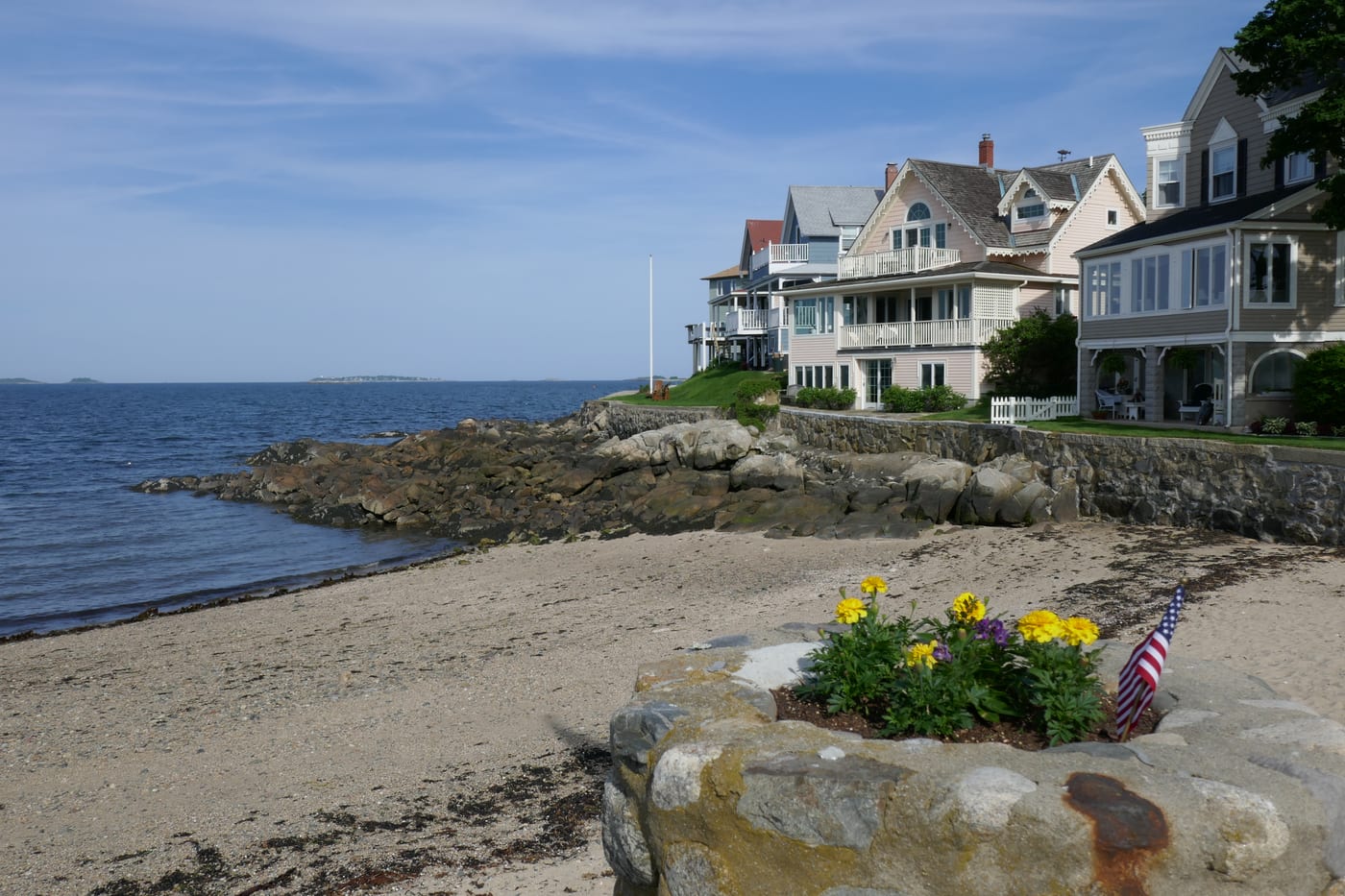 Act one · The coastThe coast and colonial memoryMassachusetts begins at the Atlantic edge, where Indigenous nations had lived for thousands of years before the English arrived, and where the same shoreline holds both the founding myths the country tells about itself and the harder facts of dispossession, persecution, and the global trade that built its early wealth.
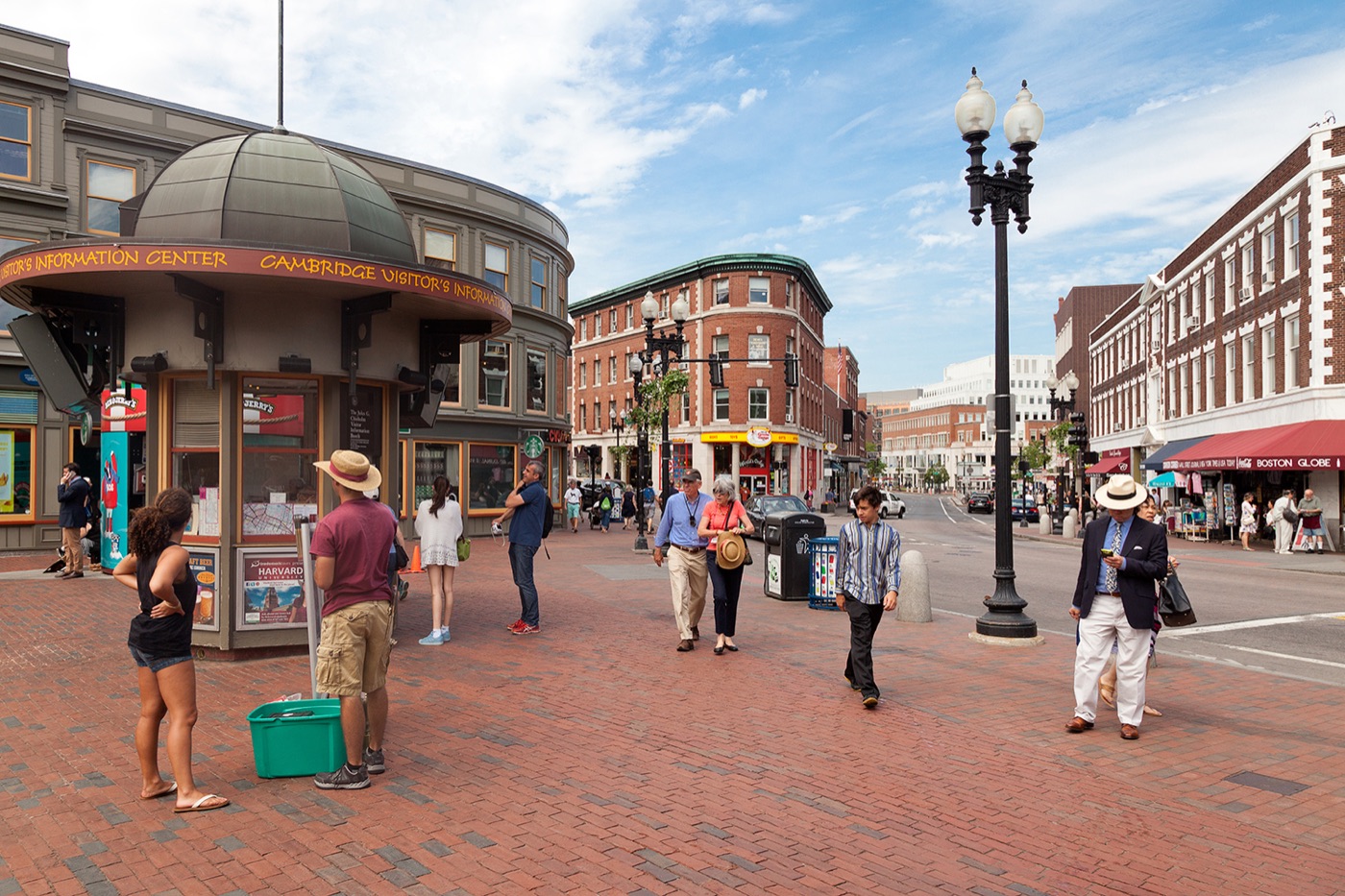 Act two · The ideaRevolution and the public ideaMassachusetts turned political argument into institutions: the first battle of the American Revolution at Lexington and Concord, a 1780 state constitution still in force, and a public commitment to schooling. The same decades show who was excluded from "liberty" — and how enslaved people in Massachusetts used the new constitution to win their own freedom in court.
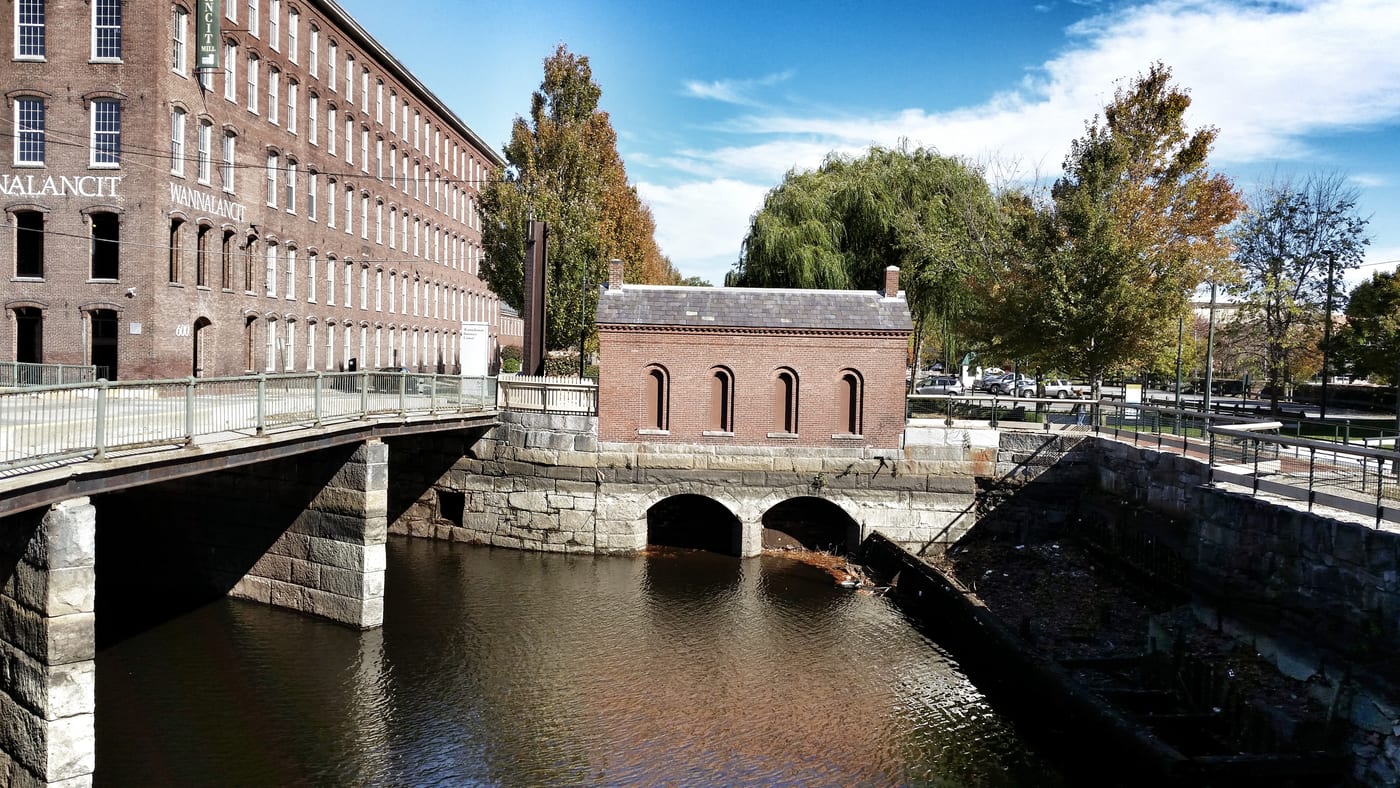 Act three · The workIndustry and laborMassachusetts ran much of the early American industrial economy from its rivers and harbors: the planned textile city of Lowell, the whaling port of New Bedford, the federal armory at Springfield, and the multi-ethnic mill towns of the Merrimack Valley. The work was driven by immigrant labor, and the National Park Service preserves several of these sites.
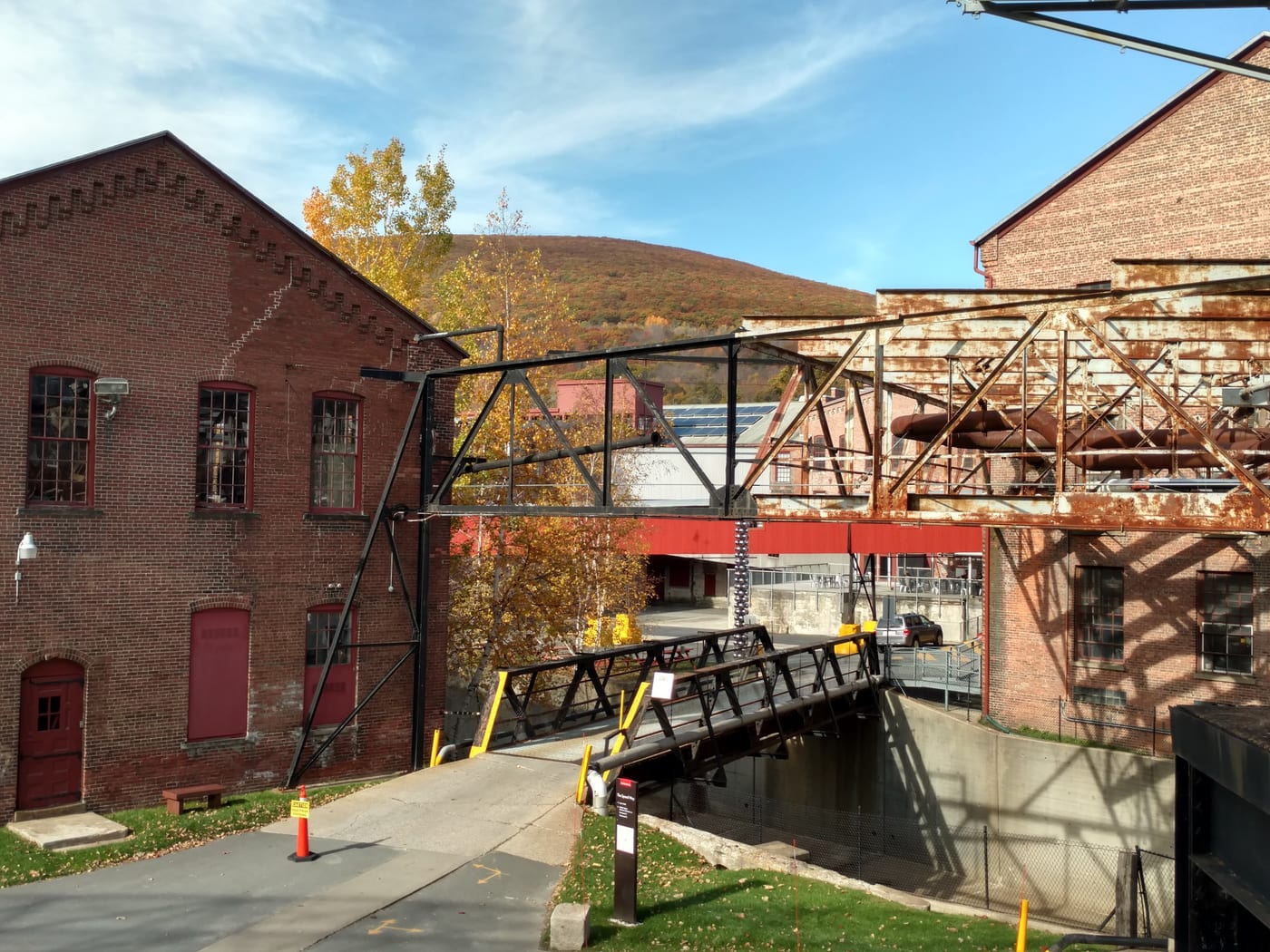 Act four · The interiorNature, literature, and the interiorWest of Boston, Massachusetts turns inland to literary towns, river valleys, engineered reservoirs, and mountains. Concord, Amherst, the Connecticut River Valley, the Quabbin, and the Berkshires hold the state's writers, its drinking water, its highest ground, and a concentration of art institutions in former mill and country-estate buildings.